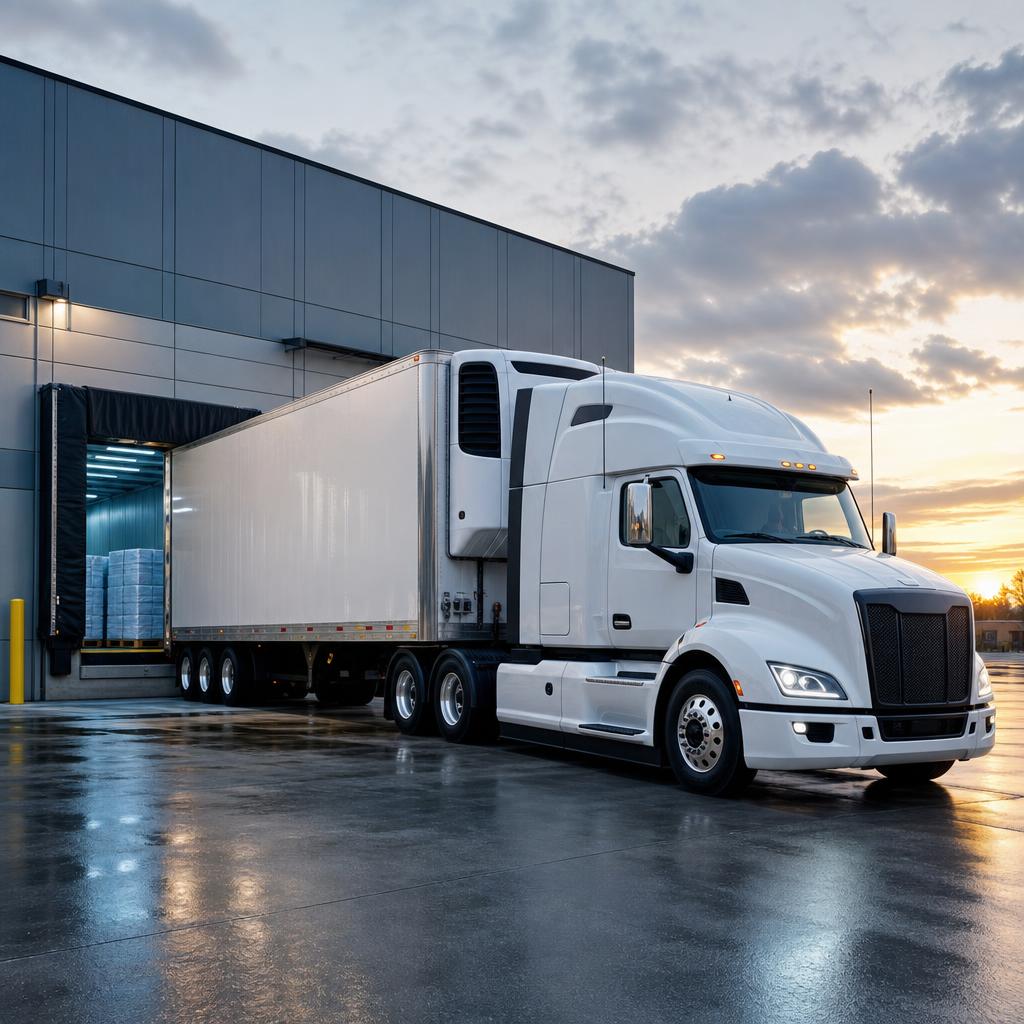
Commercial fleet insurance for trucking operations with 5+ power units. Auto liability, cargo coverage, physical damage, and state & federal filings — all structured for how your fleet actually runs.
$1M Auto Liability
Cargo Coverage Included
Same-Day MCS-90 Filings
Some of the insurance markets we work with
Carrier availability varies by state, operation type, fleet size, and underwriting requirements.
Get Your Fleet Quote
No commitment required · Takes 2 minutes
What Fleet Insurance Covers
Commercial Fleet Coverage Options
Fleet policies are tailored to the specific risks of your operation — truck type, cargo, radius, and authority all shape the right coverage mix.
Auto Liability
$1,000,000 minimum — higher limits available
Covers bodily injury and property damage you cause to others while operating the truck. Required by FMCSA and most state regulators. The foundation of every fleet policy.
Motor Truck Cargo
$100,000 – $500,000+ limits
Covers freight in transit if damaged or lost due to a covered cause. Wording is matched to your commodity — general freight, refrigerated goods, steel, and high-value loads all need different language.
Physical Damage
Collision + comprehensive coverage
Covers damage to your own tractors and trailers — collision, fire, theft, vandalism, and CAC coverage. Rated per unit with deductible options to match your fleet budget.
Truckers General Liability
Up to $1,000,000 / $2,000,000
Covers business risks not caused by truck operation itself — loading, unloading, premises exposure, and customer-site activities. Required by many brokers and shippers.
Trailer Interchange
$250,000 – $500,000 limits
Physical damage coverage for non-owned trailers and chassis pulled under a written interchange agreement. Required for UIIA and most intermodal operations.
State & Federal Filings
MCS-90, MCF — same-day processing
Interstate motor carriers must file proof of financial responsibility with the FMCSA. We handle MCS-90 endorsements, state UCR filings, and UIIA IANA certificates same-day.
Coverage lineup
More fleet coverage options
Below are some of the many coverages we offer. Availability and limits depend on your operation, equipment, cargo, and underwriting review.
Primary Auto LiabilityLocal, intermediate & long-haul operations
Excess Cargo
Motor Truck Cargo
Physical Damage & Collision
Trailer Interchange
General Liability
Non-Trucking Liability
Excess Auto LiabilityLimits up to $5 million
Fleet market access
Auto liability programs for 10+ unit fleets
We can help match eligible fleets with the market programs that fit their operation, territory, equipment, and insurance history.
Packaged Fleet Option
10+ power units
Program availability
AL, AR, CA, CO, FL, GA, IL, IN, IA, KS, KY, MD, MN, MS, MO, NE, NC, NJ, OH, OK, OR, PA, SC, TN, TX, WV & WI
Must package with physical damage (minimum TIV $750,000)
3 years in business
Monthly reporting policy
2+ years of driver experience
Semi preferred
Established Fleet Option
10+ power units
Program availability
Available in all states except AK, HI, LA, NJ & NY
We also have access to several Risk Retention Group (RRG) programs for fleets. These can be considered when a standard program is not the right fit for the operation or coverage needs.
Program availability, minimum fleet size, eligibility, and final terms are subject to carrier underwriting and may change.
Ancillary lines
Additional physical damage, cargo and liability markets
These programs support fleets and trucking operations that need coverage beyond primary auto liability.
Broad Ancillary Coverage Option
Availability
Available in all states except AK, HI & NY
Available lines
Physical Damage, Motor Truck Cargo & General Liability
New ventures acceptable
Physical damage: maximum $250,000 per unit / $350,000 maximum combination limit
Motor truck cargo: limits up to $250,000
Cargo & Damage Coverage Option
Availability
Available in all states except AK, HI & NY
Available lines
Physical Damage, Motor Truck Cargo & Non-Trucking Liability
New ventures acceptable; drivers with 2+ years of experience considered
Physical damage: maximum $250,000 per unit
Motor truck cargo: limits up to $350,000
Specialty Cargo Option
Availability
Available in all states
Available lines
Motor Truck Cargo for risks with 20 units or fewer
New ventures acceptable; drivers with 2+ years of experience
Specialty classes include auto haulers (up to $250,000 limit), livestock haulers (up to 300 miles), dirt/sand/gravel, fertilizer & golf carts
Flexible Ancillary Coverage Option
Availability
Available in all states except AK, HI & NY
Available lines
Physical Damage, Motor Truck Cargo, Non-Trucking Liability & General Liability
New ventures acceptable; drivers with 2+ years of experience
Physical damage: maximum $200,000 per unit
Motor truck cargo: limits up to $250,000
Who We Insure
Types of Truckers We Cover
Whether you run your own authority, operate under a carrier, or manage a commercial fleet — we write the program that matches how you actually operate.
Own Authority
Owner-Operators
Running your own MC number? We structure auto liability, cargo, physical damage, and all FMCSA filings for your operation — local, regional, or long-haul.
Auto liability ($1M+)
Motor truck cargo
Physical damage
MCS-90 filings
5+ Units
Fleet Operators
Mixed equipment, multiple drivers, different routes? One fleet policy covers the whole operation. Price indication within 5 business days from multiple A-rated markets.
Fleet-rated programs
Driver MVR management
Multi-unit physical damage
Same-day certificates
For-Hire
Motor Carriers
Moving freight for others under your authority? We handle primary liability, cargo, and all required state and federal filings — including leased operators and private carriers.
Primary liability coverage
UIIA endorsements
State & federal filings
Umbrella up to $5M
Equipment
Trucks We Insure
From single-axle box trucks to multi-unit Class 8 fleets — we write commercial truck insurance for a wide range of vehicles and configurations.
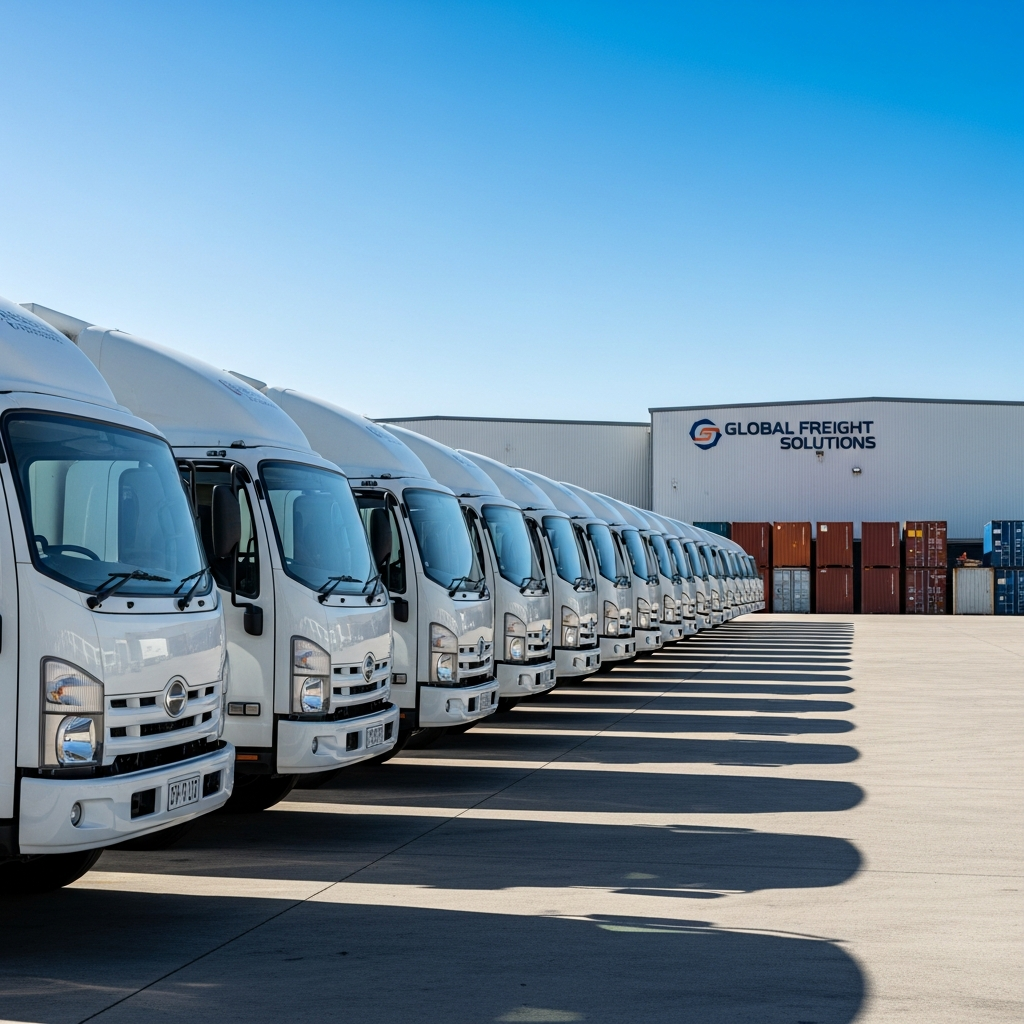
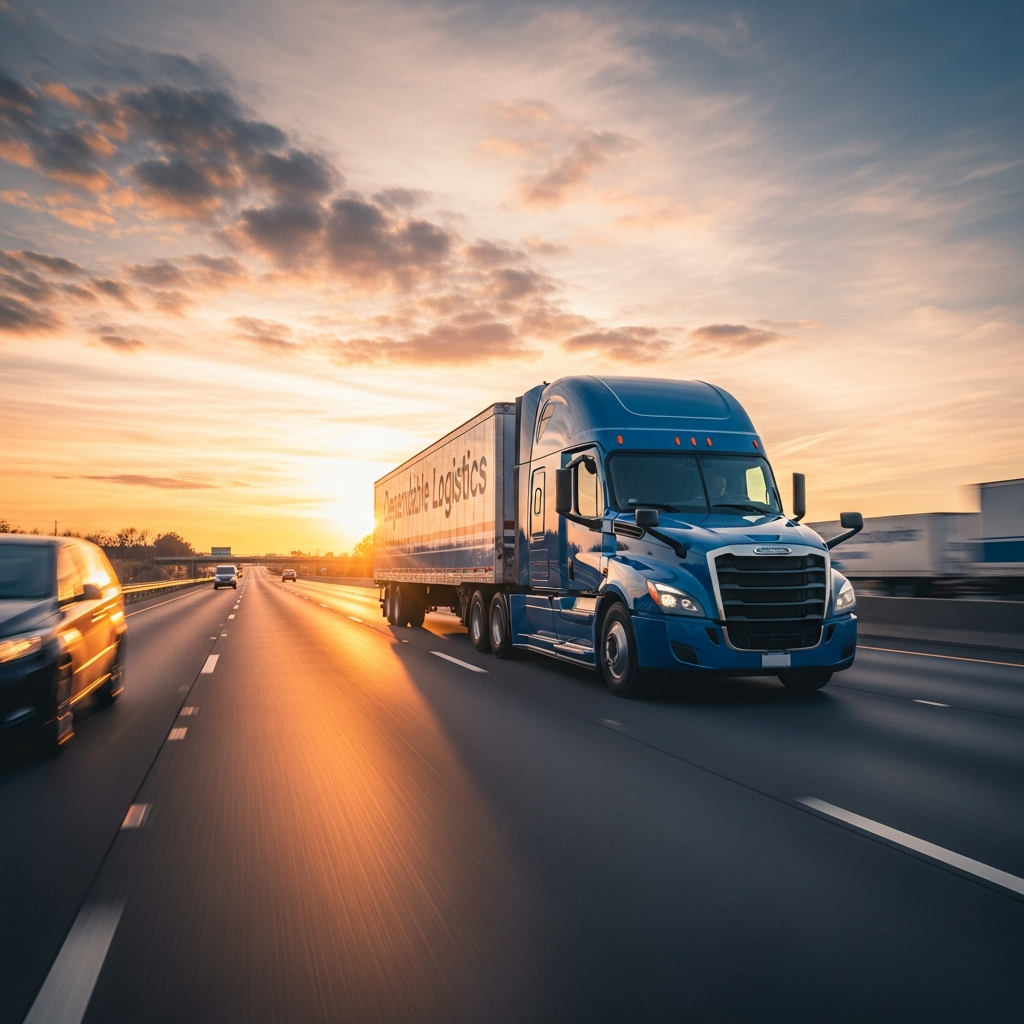
Semi Trucks & Class 8
Peterbilt, Freightliner, Kenworth, Volvo, Mack, Western Star — all makes and configurations insured.
Dry vanFlatbedReeferTankerHotshotTractor
Box Trucks & Specialty
Medium-duty commercial vehicles for local deliveries, construction, towing, and waste removal operations.
Courier, messenger & local delivery (non–for-hire)
Cleaning and janitorial services
Property management & service companies
Auto repair shops & service businesses
California Fleet Insurance Requirements
California intrastate fleets face different filing requirements than interstate carriers. FMCSA rules (49 CFR Part 387) govern interstate operations; California's own requirements apply for intrastate authority. We handle both — including CARB compliance documentation for California port drayage fleets.
Operations Not Eligible for Standard Fleet Programs
Agricultural haulers, livestock haulers, hazardous materials / hazmat haulers, petroleum bulk haulers, fracking sand & water haulers, scrap metal / junk haulers, armored car operations, and bus/escort vehicle operations typically require specialized E&S market placement. Contact us — we write hard-to-place classes through surplus lines markets that standard carriers decline.
Comprehensive Protection
Additional Coverages
Add coverage layers to match your fleet's specific exposures — interchange agreements, leased equipment, hired autos, and more.
Truckers General Liability
Limits up to $1,000,000 / $2,000,000
Comprehensive protection for your trucking business operations beyond the truck itself.
Hired & Non-Owned Auto
Coverage for vehicles you rent, lease, hire, or borrow for business purposes — and for employees using personal vehicles on company business.
Non-Owned Trailer Physical Damage
Protection for trailers temporarily used in your business without a formal interchange agreement — broader than trailer interchange.
UIIA Endorsement
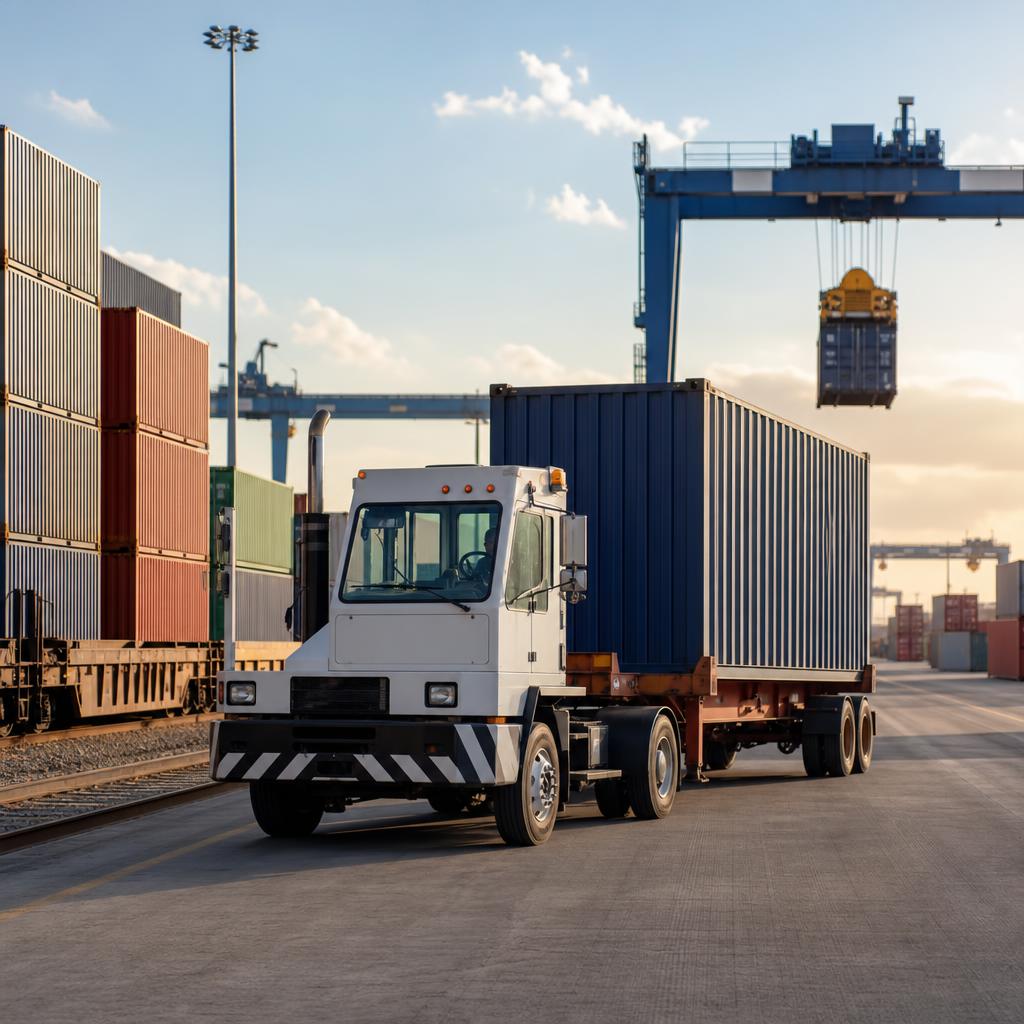
Uniform Intermodal Interchange Agreement Additional Insured Endorsement — required for port and rail drayage operations pulling equipment from UIIA providers.
Excess Auto Liability
Higher auto liability limits available for enhanced protection — up to $5M umbrella for fleets with high-value cargo or shipper contract requirements.
Workers Compensation
Required in most states for fleets with employees. We coordinate workers comp alongside your fleet auto and cargo policy for a unified program.
Enhanced Physical Damage Forms Include:
Mechanical Breakdown
Personal Effects
Electronic Equipment
Tarps, Chains & Binders
Why Choose Us
Fleet Benefits
Truxsurance specializes in commercial fleet insurance for trucking operations. We don't handle personal auto — this is what we do.
Convenient
Online application with document upload. No back-and-forth — submit once and we handle the market submissions.
Price Indications
Within 5 business days. We submit to multiple A-rated markets simultaneously and return the best indication.
MCF & MCS-90
Same-day filing processing. Federal financial responsibility filings issued the same day your policy binds.
Welcome Kit
Within 1 week of coverage effective date. ID cards, certificate of insurance, and policy documents delivered digitally.
What Does Fleet Insurance Cost?
Commercial fleet insurance pricing depends on what you run, how you run it, and your operating history. Two fleets with the same truck count can receive very different quotes based on these factors:
Vehicle type & condition
Truck class, year, stated value, and equipment configuration
Operating radius
Local, regional, or long-haul interstate routes
Cargo type
General freight, high-value, refrigerated, hazmat, oversized
Driver history
CDL experience, MVR records, and driver safety training
Loss history
Prior claims — both auto and cargo — in the last 3–5 years
DOT & compliance record
FMCSA safety rating, inspection history, and SMS scores
Submission readiness
Bring the operating story, not just the truck count
Fleet pricing and coverage decisions are shaped by how your operation works day to day. A clear submission helps focus the review on the equipment, people, contracts, and risks that matter to your business.
Equipment schedule
Power units, trailers, stated values, garaging locations, ownership or lease details, and any specialty equipment.
Driver picture
Driver roster, CDL experience, hiring practices, and the records your fleet uses to manage MVRs and training.
Operating profile
Commodities, radius, lanes, customer requirements, subcontracted work, terminals, and contracts that shape exposure.
Insurance history
Current declarations, requested limits, prior claims information, and upcoming renewal timing when available.
The review process
A practical path from fleet details to a coverage conversation
The goal is to make the review useful, not overwhelming. Start with the facts of your operation and build from there.
01
Share the operational snapshot
Start with fleet size, authority, operating territory, equipment, cargo, and the coverage priorities your contracts require.
02
Organize the submission
A complete vehicle and driver picture helps identify missing details before the insurance review begins.
03
Review coverage fit
A transportation specialist reviews the exposures, requested limits, and documents needed for the appropriate markets.
04
Discuss options and next steps
You receive a clear explanation of available terms, questions to resolve, and the steps required before any coverage can bind.
Build safety and claims readiness into the fleet story
These are practical areas a fleet can organize before a renewal, a new customer contract, or an insurance review.
Safety and compliance readiness
Good programs make the operational picture easier to understand. They also give your team a consistent way to act as the fleet grows.
Documented driver onboarding, MVR review, and coaching practices
Pre-trip, post-trip, inspection, and maintenance routines
Clear policies for cargo securement, temperature control, or specialty equipment
A plan for certificates, filings, contract requirements, and additional insured requests
Claims readiness
A written response plan helps drivers and operations teams preserve the right details during a stressful event. Always follow your carrier’s claim-reporting instructions.
Protect people and follow emergency procedures first
Record the scene, equipment, photos, witnesses, and report details
Notify the carrier or claims contact promptly using the policy instructions
Preserve maintenance, dispatch, camera, and cargo records that may be relevant
Different operations, different inputs
Match the coverage conversation to the work you do
Equipment alone does not tell the whole story. The freight, customer requirements, terminals, and operating controls around each unit matter too.
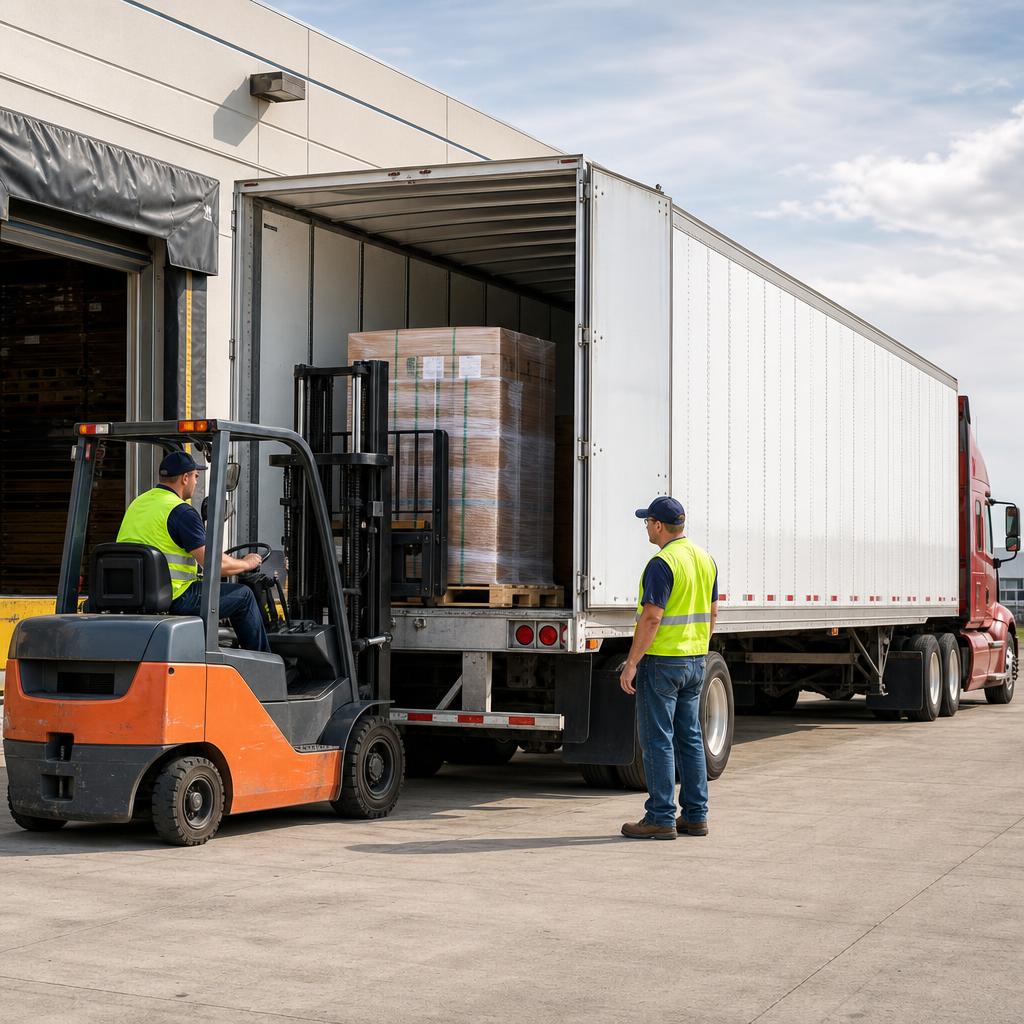
General freight
Freight moves change the cargo conversation
Loading practices, commodity values, handoffs, and customer contracts are all useful context when evaluating cargo and liability needs.
Every fleet is different. These answers explain the information that typically makes a first conversation more productive.
Discuss your equipment, drivers, authority, and contract requirements with a transportation specialist.
What makes fleet insurance different from a single-truck policy?+
Fleet reviews account for the full operating system: multiple drivers, a changing equipment schedule, locations, contracts, safety practices, and the way one loss can affect the wider business. The right structure depends on the operation, not only the vehicle count.
What should we prepare before requesting a fleet quote?+
The most useful starting point is a current vehicle list, basic driver information, operating profile, current insurance documents, requested limits, and loss history if available. You can begin with the details you have and add supporting documents during the process.
Can we add or remove equipment during the policy term?+
Fleet schedules can change. The process and documentation depend on the policy, equipment, and carrier requirements, so bring anticipated purchases, leases, or disposals into the review early.
How do safety and compliance records affect a fleet review?+
Underwriters commonly look at the controls behind the operation, including driver management, inspections, maintenance, loss history, and applicable DOT or customer requirements. Clear records help present a more complete view of the fleet.
Get Started
Fleet Application
Complete the application below for fleets with 5+ power units. Upload any supporting documents for faster processing.
Step 1 of 2 — Quick Info
Our Insurance Partners
We work with A-rated carriers to provide comprehensive fleet coverage








_1765056255725-f1tgPy3s.jpg)
_1784989921344-DDvNCT27.png)