Primary auto liability
Start with the vehicles, drivers, radius, and contracts that define the third-party liability exposure for the fleet.
IA fleet insurance markets
Iowa fleets support grain, livestock, food processing, agricultural equipment, manufacturing, and Midwest distribution. Seasonal commodities and the difference between local agricultural hauling and interstate freight should be disclosed. Browse city pages for local freight context, or start with the statewide fleet insurance guide.
Fleet insurance needs vary between a state capital, a port or rail market, a warehouse corridor, and a rural or specialized operation. The pages below are educational starting points; final availability and terms depend on underwriting.
Build the state profile
A fleet’s location is only one part of its risk profile. In Iowa, the mix of des moines distribution market and council bluffs intermodal market can create different questions than a local delivery fleet, agricultural hauler, or long-haul carrier operating elsewhere in the state.
Use the statewide guide to organize the story behind the equipment: where units are actually garaged, how often they travel the listed corridors, what they haul, which facilities they enter, and what controls the team uses to manage drivers, maintenance, cargo, and claims.
Coverage planning
The right fleet program depends on the work being performed, not just the number of units. These are common topics to organize before a conversation with a transportation insurance specialist.
Start with the vehicles, drivers, radius, and contracts that define the third-party liability exposure for the fleet.
Organize current values, deductibles, ownership or lease details, and the actual garaging locations for power units and trailers.
Describe the commodities, limits requested by customers, loading and unloading practices, and any temperature or high-value requirements.
Port, rail, warehouse, and customer-facility work may add certificates, interchange agreements, or premises details to the review.
Submission checklist
Bring the current equipment schedule, driver information, operating radius, commodities, loss information, and requested limits. Include contract or certificate requirements tied to Des Moines distribution market when they apply.
Start with the operational snapshot
Begin with the basics. Use the detailed application for actual mailing, garaging, operating, equipment, and driver information.

Submission readiness
Fleet pricing and coverage decisions are shaped by how your operation works day to day. A clear submission helps focus the review on the equipment, people, contracts, and risks that matter to your business.
Power units, trailers, stated values, garaging locations, ownership or lease details, and any specialty equipment.
Driver roster, CDL experience, hiring practices, and the records your fleet uses to manage MVRs and training.
Commodities, radius, lanes, customer requirements, subcontracted work, terminals, and contracts that shape exposure.
Current declarations, requested limits, prior claims information, and upcoming renewal timing when available.
The review process
The goal is to make the review useful, not overwhelming. Start with the facts of your operation and build from there.
Start with fleet size, authority, operating territory, equipment, cargo, and the coverage priorities your contracts require.
A complete vehicle and driver picture helps identify missing details before the insurance review begins.
A transportation specialist reviews the exposures, requested limits, and documents needed for the appropriate markets.
You receive a clear explanation of available terms, questions to resolve, and the steps required before any coverage can bind.

Risk management basics
These are practical areas a fleet can organize before a renewal, a new customer contract, or an insurance review.
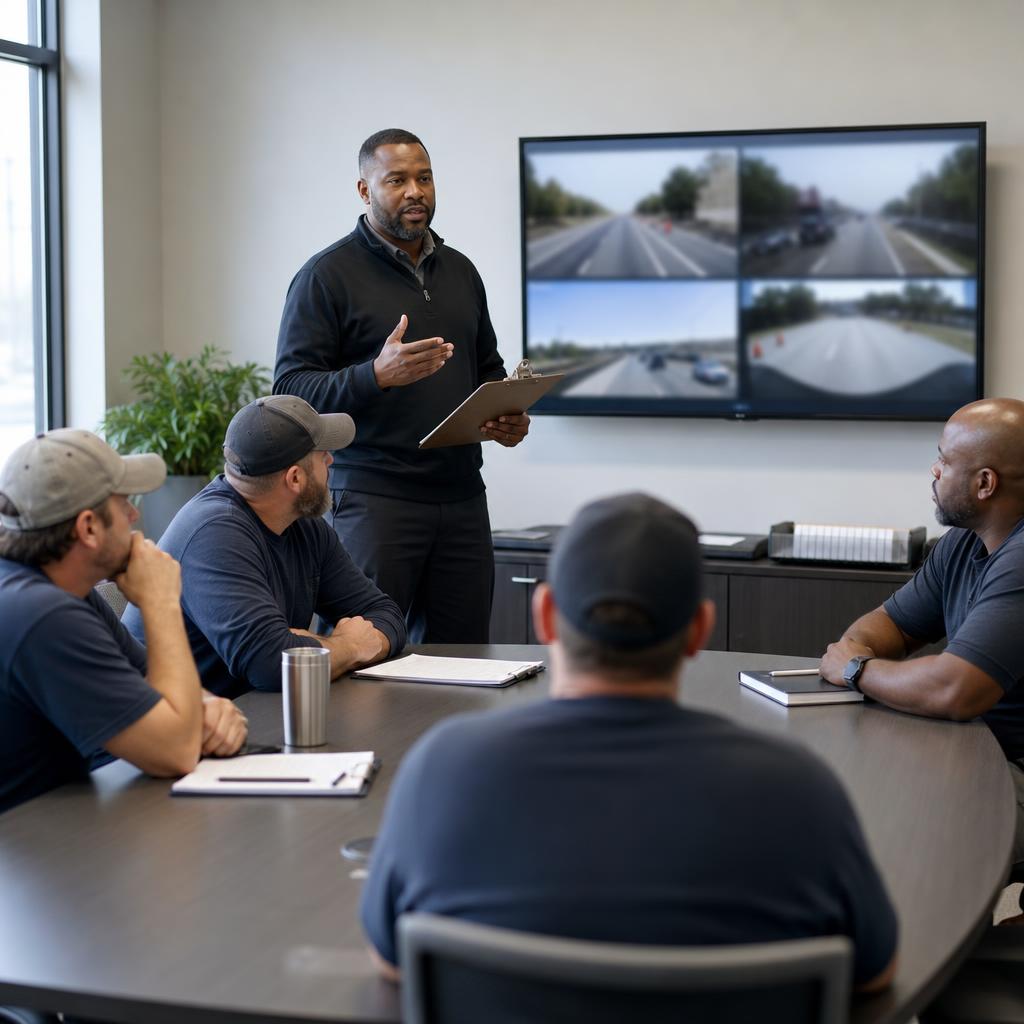
Good programs make the operational picture easier to understand. They also give your team a consistent way to act as the fleet grows.

A written response plan helps drivers and operations teams preserve the right details during a stressful event. Always follow your carrier’s claim-reporting instructions.
Different operations, different inputs
Equipment alone does not tell the whole story. The freight, customer requirements, terminals, and operating controls around each unit matter too.
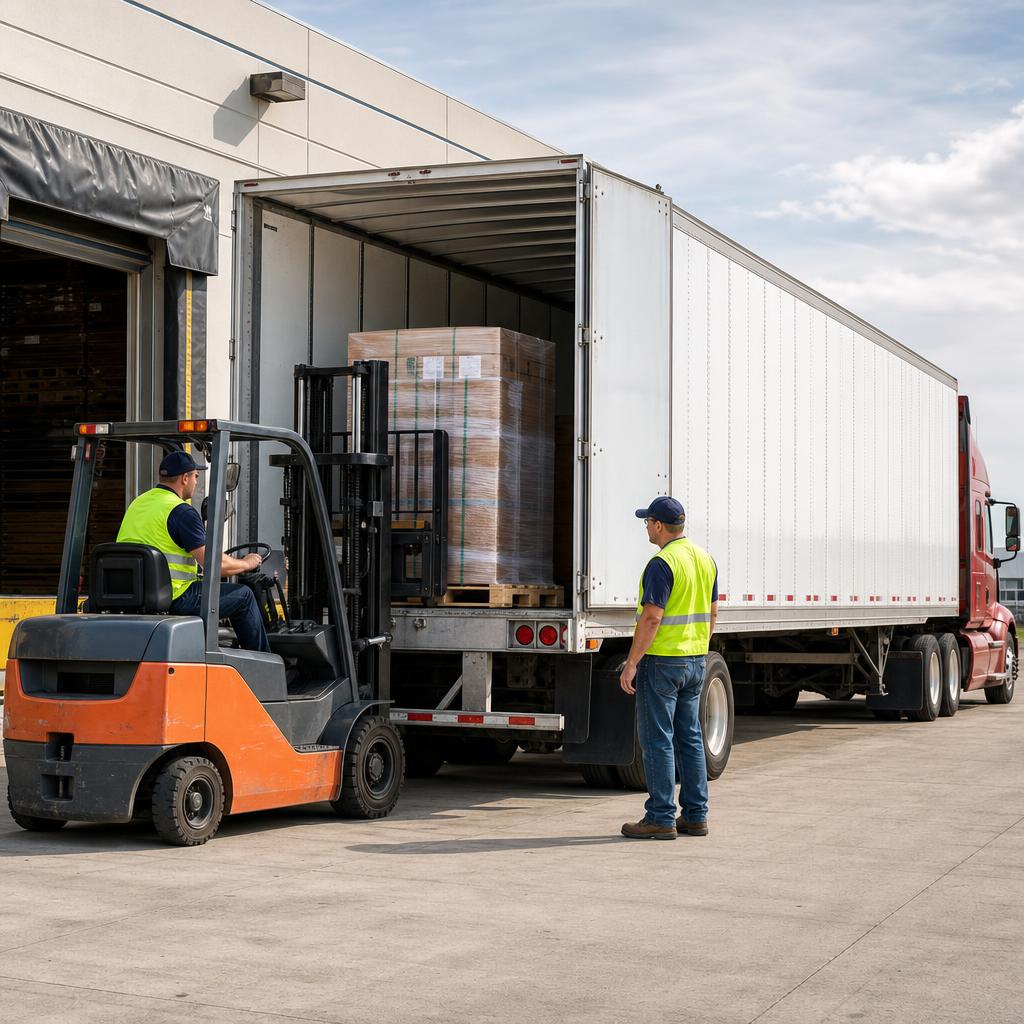
General freight
Loading practices, commodity values, handoffs, and customer contracts are all useful context when evaluating cargo and liability needs.
Explore cargo coverage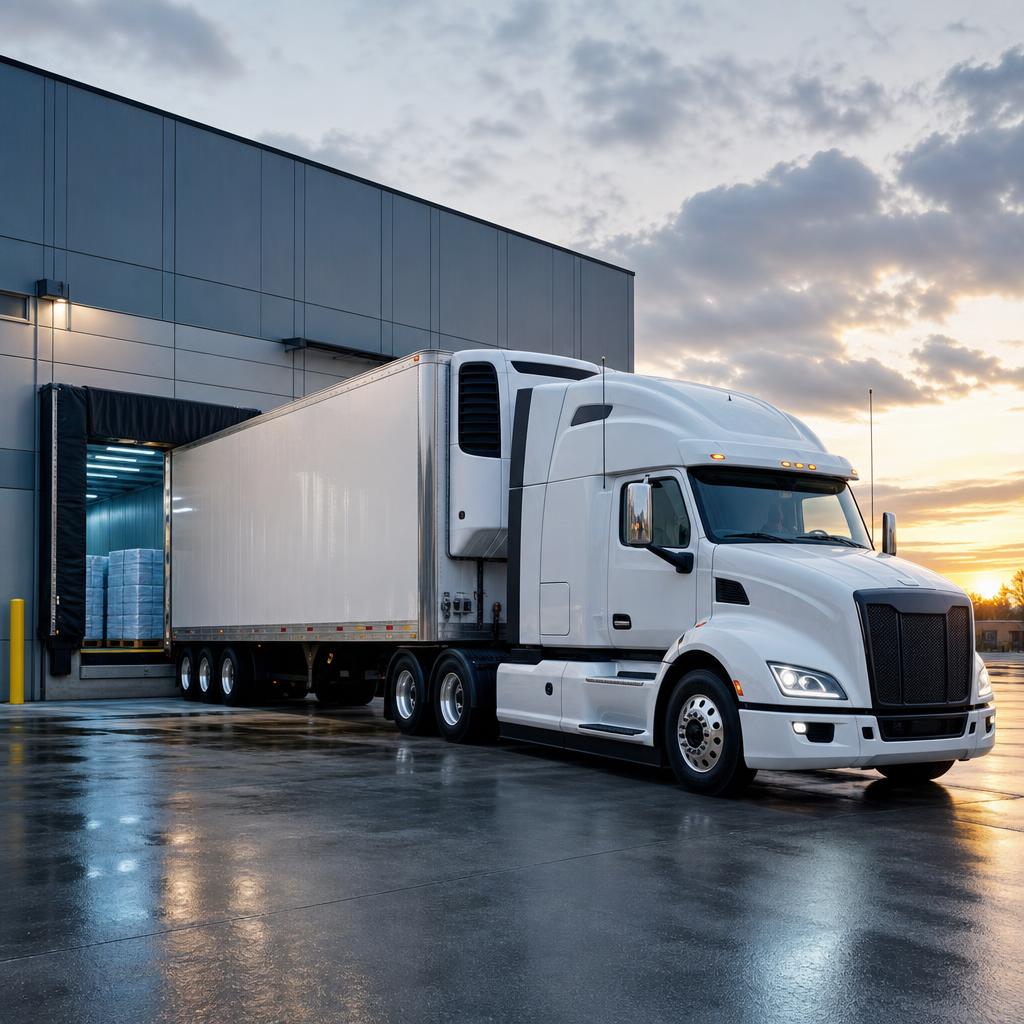
Reefer fleets
For refrigerated operations, explain commodities, temperature controls, trailer equipment, and any customer documentation requirements.
Explore reefer insurance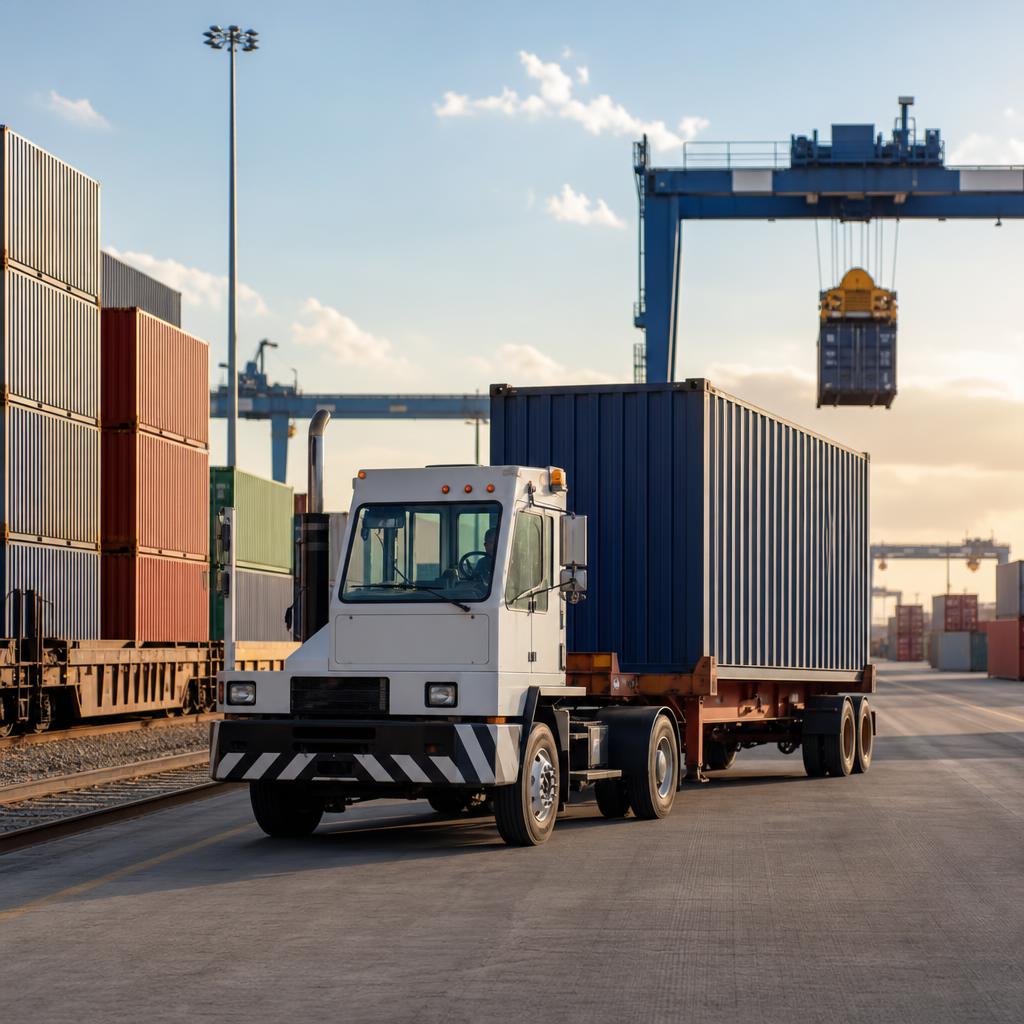
Intermodal
Drayage fleets should identify chassis use, terminal access, interchange agreements, and the certificates their partners request.
Explore port trucking coverageFleet insurance questions
Every fleet is different. These answers explain the information that typically makes a first conversation more productive.
Fleet reviews account for the full operating system: multiple drivers, a changing equipment schedule, locations, contracts, safety practices, and the way one loss can affect the wider business. The right structure depends on the operation, not only the vehicle count.
The most useful starting point is a current vehicle list, basic driver information, operating profile, current insurance documents, requested limits, and loss history if available. You can begin with the details you have and add supporting documents during the process.
Fleet schedules can change. The process and documentation depend on the policy, equipment, and carrier requirements, so bring anticipated purchases, leases, or disposals into the review early.
Underwriters commonly look at the controls behind the operation, including driver management, inspections, maintenance, loss history, and applicable DOT or customer requirements. Clear records help present a more complete view of the fleet.
State fleet questions
Local context helps explain an operation, but the application still needs the fleet’s real addresses, equipment, drivers, commodities, and coverage requirements.
Prepare the actual mailing and garaging addresses, power units and trailers, driver roster, commodities, operating radius, current insurance information, loss history when available, and customer or broker requirements. Fleets working around Des Moines distribution market should also describe any terminal, interchange, loading, or facility exposure.
Corridors such as I-29, I-35, I-80 connect different operating environments. A submission is more useful when it separates local delivery, regional work, long-haul routes, port or rail moves, and specialized hauling rather than describing every trip as the same exposure.
No. This page is a public educational landing page. The quote and application should use the fleet’s actual mailing, garaging, and operating addresses. Availability, pricing, carrier placement, limits, endorsements, and binding depend on the declared operation and underwriting review.
The guide includes Des Moines, Cedar Rapids, Davenport, Sioux City, Council Bluffs, Waterloo, and other listed freight markets. Each city link provides additional local context while the statewide page keeps the coverage and submission conversation focused on the fleet as a whole.