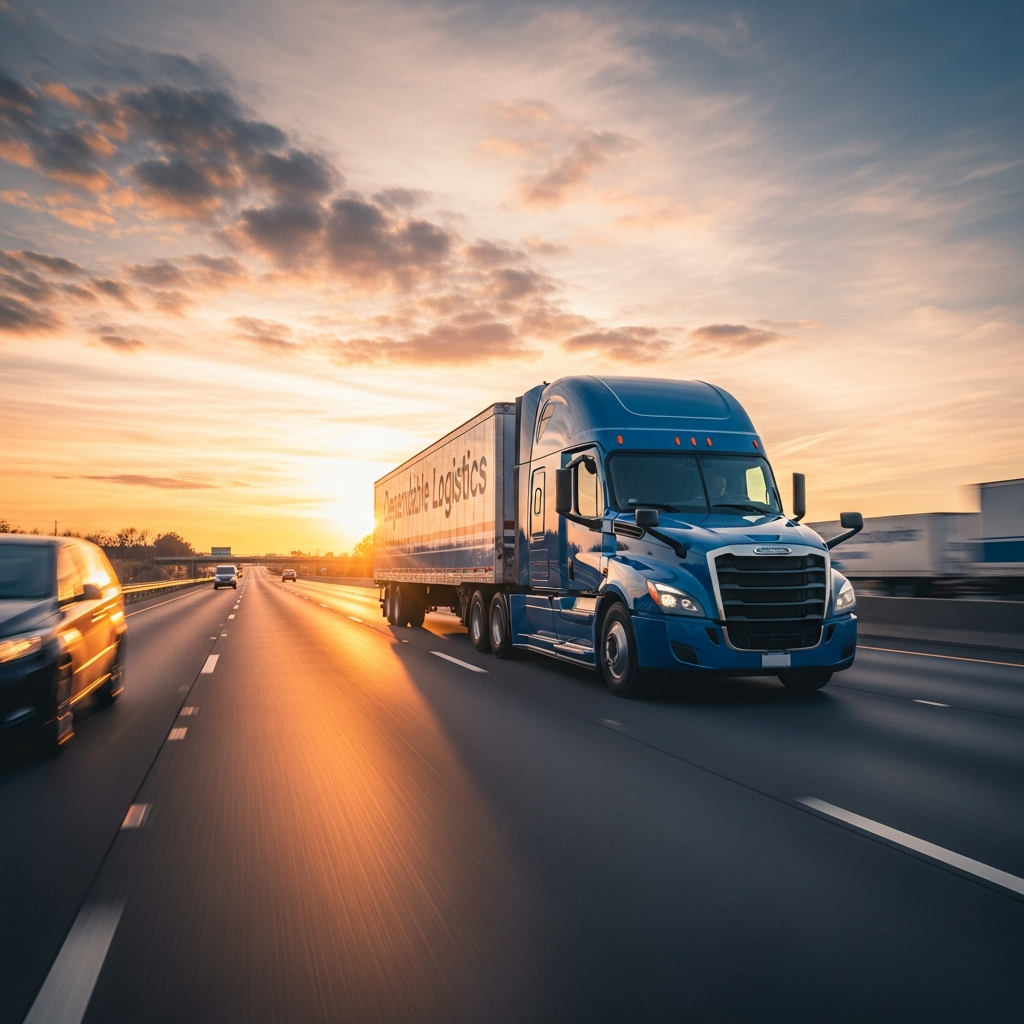
Little Rock, Arkansas Commercial Truck Insurance Requirements
Review the coverage requirements and underwriting file for a commercial trucking operation based in Little Rock: authority, vehicles, drivers, radius, commodities, contracts, prior coverage, losses, filings, and certificate instructions.
Some of the insurance markets we work with








_1765056255725-f1tgPy3s.jpg)
_1784989921344-DDvNCT27.png)


Carrier availability varies by state, operation type, fleet size, and underwriting requirements.
Commercial trucking operators based in Little Rock run freight on the I-30, I-40, I-49 corridors connecting Arkansas's distribution centers, warehouses, and freight hubs. Port access via Port of Little Rock means many Little Rock carriers also handle drayage, container moves, and transload freight alongside standard OTR operations. Rail ramp activity at UP North Little Rock adds intermodal volume to the regional freight mix. Truxsurance writes primary liability, cargo, physical damage, and general liability for Little Rock-based owner-operators and fleets operating in Arkansas and across state lines.
Coverage Requirements for Little Rock Truckers
Match each requested line, limit, filing, endorsement, and certificate instruction to the actual authority, equipment, cargo, routes, and contracts. Final terms remain subject to underwriting.
Primary Auto Liability
FMCSA-required liability coverage from $750K to $1M+. Covers bodily injury and property damage while under dispatch. BMC-91X filing included for interstate operators.
Motor Truck Cargo
Protects the freight you haul from pickup to delivery. Available from $100K to $1M. Required by most brokers and shippers on every load.
Physical Damage
Comprehensive and collision coverage for your trucks and trailers. Protects your equipment investment against accidents, theft, fire, and weather.
General Liability
Motor truck general liability covers non-auto exposures at shipper and consignee locations — loading, unloading, product damage, and premises liability.
Non-Trucking Liability
Gap coverage for when your truck is operating off dispatch — commuting, personal use, or deadheading. Protects you when primary liability doesn't apply.
Trailer Interchange
Physical damage coverage for non-owned trailers in your care, custody, and control under a trailer interchange agreement with a shipper or carrier.
Workers Compensation
State-required coverage for W-2 drivers and employees. We write mono-line trucking WC across CA, AZ, NV, and TX for fleets of all sizes.
Occupational Accident
Alternative to WC for owner-operators and independent contractors who are not subject to compulsory state workers' compensation statutes.
Prepare your submission
What Little Rock Carriers Should Have Ready
The quote application is positioned at the top of this page. These details help underwriting return complete terms without avoidable follow-up.
- FMCSA-licensed independent agency
- BMC-91X filings for interstate operators
- Same-day Certificates of Insurance
- Same-day FMCSA / DOT filings
- New venture programs — day-one coverage
- Fleet and owner-operator programs
- Multi-state coverage in one policy
- Fast driver, unit & coverage changes

Equipment We Insure
From single owner-operators to multi-unit fleets, we write insurance for all commercial vehicle types operating out of Little Rock.
Trucking Insurance FAQs — Little Rock, AR
How much is commercial truck insurance?
Owner-operators typically pay $8,000–$18,000 per year depending on DOT authority age, driving history, cargo type, and garaging state. New ventures run higher — often $12,000–$18,000 — due to limited loss history. Small fleets are rated per unit. The only way to know your exact cost is to submit a quote with your specific DOT, equipment, and driver profile.
What insurance does the FMCSA require for trucking?
Interstate carriers must carry minimum $750,000 primary auto liability and file a BMC-91X with FMCSA. Most shippers and brokers require $1,000,000. Cargo insurance ($100,000+) is required by virtually all brokers. If you have a loan on your equipment, your lender will require physical damage. Workers' comp is required for W-2 employees in most states.
What is a BMC-91X filing?
The BMC-91X is a federal filing submitted electronically by your insurer to FMCSA, certifying your liability insurance meets minimum requirements for interstate commerce. Without an active BMC-91X your MC authority becomes inactive. Truxsurance handles BMC-91X filings as part of every interstate trucking policy — typically same-day.
Can a new authority get trucking insurance?
Yes. We write new ventures — carriers with less than 2 years of operating history — from day one of their MC authority issuance. Premiums are higher initially, but new venture programs exist specifically for this segment. We help you structure coverage that satisfies both FMCSA minimums and standard broker/shipper COI requirements.
How long does it take to get a trucking insurance quote?
Standard risks typically receive a quote within a few hours and can bind coverage the same day. New ventures and complex fleets may take 1–2 business days for underwriting review. Having your DOT number, driver MVRs, and vehicle list ready speeds the process significantly.
Do you cover owner-operators leased to a carrier?
Yes. Leased owner-operators typically need non-trucking liability (bobtail) and physical damage coverage when operating off the carrier's authority. If you're leased to a carrier that provides primary liability, we can structure a standalone physical damage and NTL policy to fill the gap.
What affects commercial truck insurance rates most?
Key rating factors include: DOT/MC authority age, driver experience and MVR history, claims history and loss runs, garaging ZIP code, cargo type and commodity, operating radius, equipment value and age, FMCSA BASIC safety scores, and ELD compliance. Clean records and experienced drivers are the fastest ways to lower premiums.
Do you write coverage in California, Arizona, Nevada, and Texas?
Yes — these are our core markets. Truxsurance specializes in carriers operating in the Western US and Southwest freight corridors, including the I-10, I-15, I-40, I-5, and US-287 lanes that connect these states.